
Heathrow airport connects the UK to the world, and the world to us. While most people probably associate Heathrow with holidays to exotic destinations, it actually represents one of the single most valuable pieces of economic infrastructure in the UK, operating metronomically to handle more than 80 million passengers – and almost 480,000 flights – every year without stopping for a single day.
Heathrow moves more than just people, with more than a quarter of UK trade by value passing through the airport. Remarkably, it does this despite cargo flights making up less than 2% of aircraft movements. On an average flight, some £3,500 of cargo travels beneath every passenger’s seat, as a quiet reminder that airports are engines of commerce as much as gateways to pleasure.
Over my career, Heathrow has taken me directly to every continent except Australasia and Antarctica. Not once have I used public transport to get to the airport.
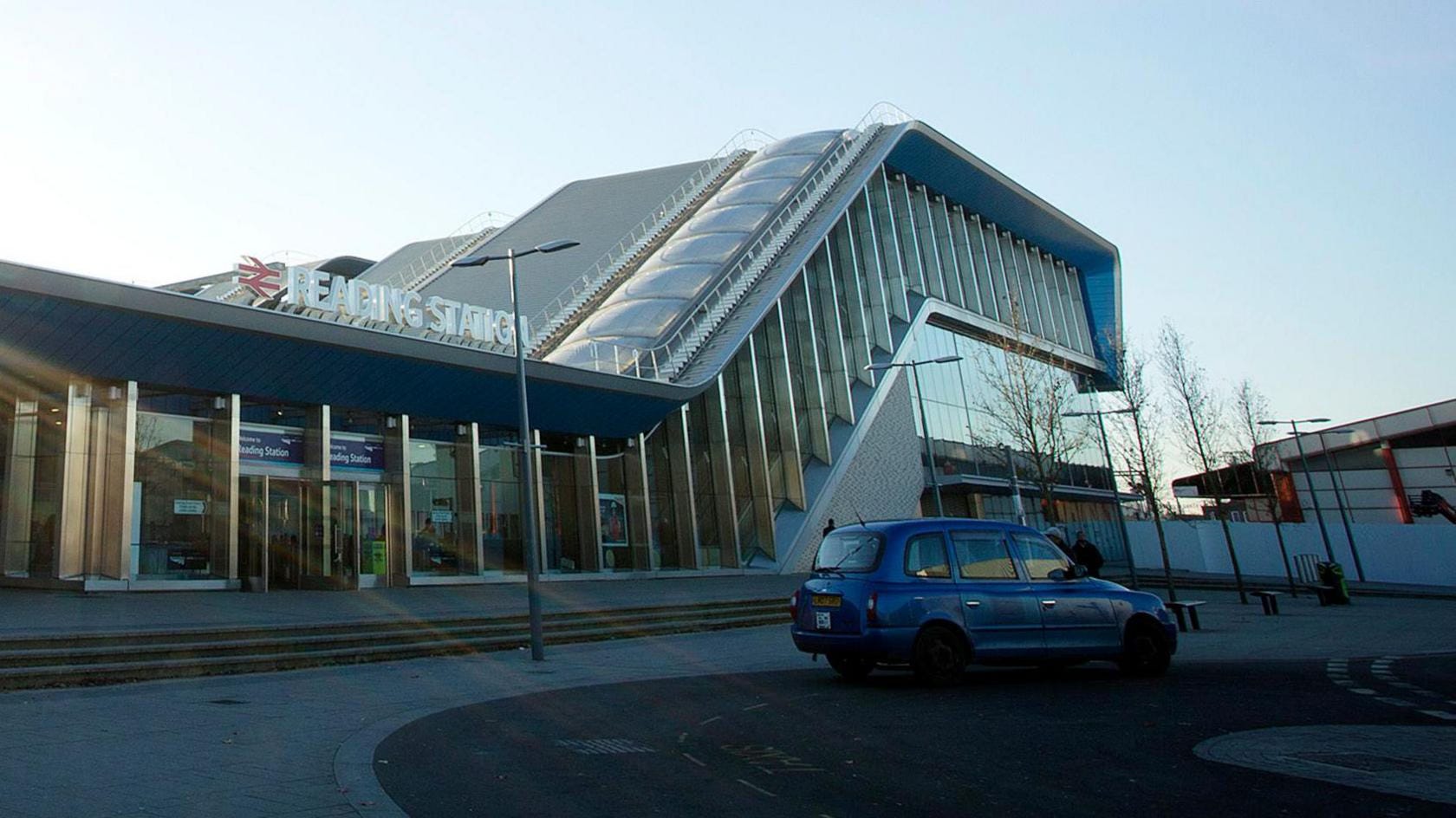
“Why not?”, you may ask. Over 2 million people live, like me, to the west of Heathrow in towns and cities that are well-served by Brunel’s Great Western Railway. The railway is older than the airport and, so far, no one has got round to building a rail connection to it from the westerly direction. Travelling from Reading, you can be in central London in as little as 24 minutes. To get to Heathrow, the journey takes twice as long to travel two-thirds of the distance, and requires at least one change of train. Somewhat bizarrely, there is a direct train from Reading to Gatwick.
Travelling from Heathrow, you can get to Perth, Australia, in one hop, but the same cannot be said for getting to Heathrow from anywhere to the west! It is hardly then surprising that about half of all journeys to and from the airport are by car or taxi. Driving is, by far, the easiest route for those of us coming from the west. But the roads in and around Heathrow are already heavily congested, with airport-related traffic being a significant contributor to local congestion and air pollution. A rail link to the west would take many of those cars off the road. With the prospect of increased passenger numbers as planes get bigger, and with the potential construction of a third runway, Heathrow needs better rail links, and the first capacity gap to fill is to the west.
The great news is that plans for this missing link — the Western Rail Link to Heathrow (WRLtH) — are very mature and, unlike most infrastructure projects, have received near-universal support from politicians, business groups and communities along and beyond the proposed route. Notably, MPs serving places as far away as Bath, Swindon and Merthyr Tydfil recognise the benefits of getting the link built and have publicly announced their support for the scheme. Terminal 5 was even built with two platforms that have been ready and waiting for their trains for over a decade now. All the link requires is a short new section of tunnelled track and a junction between Langley and Iver to connect these spare platforms to the Great Western Main Line.
Oh, and someone to pay for it.
Ever since the WRLtH was first proposed by the Department for Transport (DfT) in 2012, there have been arguments about who should pay for it. The crux of the debate was that Heathrow – already operating at close to full capacity despite its existing, imperfect, transport links – would not directly benefit from the link and therefore had little incentive to invest. It was argued the real economic benefit lay beyond the airport itself, in the towns and cities gaining better connection to it.
But no government ever committed to footing the entire bill, or found a mutually acceptable funding split between public and private investors. The returns are too slow for most private investors, but for a government with a decades-long time horizon this should be exactly the sort of project that the state exists to fund and build.
The funding arguments, combined with the collapse in passenger numbers during the pandemic, meant the project never quite reached the key Development Consent Order (DCO) milestone. And with Rachel Reeves’s discovery of a £22 billion fiscal “black hole”, the WRLtH was formally cancelled in 2024 along with all other unfunded transport pledges.
Now, it is hardly surprising that I’m in favour of being able to quickly and cheaply get to the airport. Self-interest does not make a business case. But, over the years, successive studies have found the regional economic case is strong, and the investment is worthwhile whether or not the third runway ever gets built at Heathrow. Network Rail assessed the benefit-cost ratio for the project to be as high as 6-to-1, placing it in DfT’s “very high value for money” category. And with a total price tag of around £1 billion, we could have built the link more than a hundred times for the same cost as HS2. When you look at it that way, it seems remarkable that governments haven’t found a way to fund it.
Heathrow is never the destination. It is the gateway. Right now, the gateway opens easily only to the east. Building the Western Rail Link would swing it open to millions of people and thousands of businesses in the western half of the UK, at a price that is a fraction of what we are spending elsewhere. It is a rare example of infrastructure that isn’t being blocked by planning, but by funding. And if we started tomorrow, it could be running by 2032. We should just build it. Support our plan to get it done. Go to lookingforgrowth.uk/kickstartbritain
Tom O’Toole is a member of LFG Reading.
We will get it built!